
Why You Keep Choosing People Who Need Saving
The Hidden Addiction to Being Needed

Addicted to Rescuing
This post is for the woman who always ends up being the strong one. The fixer. The rescuer. If you constantly find yourself pulled into other people’s problems, this will help you understand why that role becomes all-consuming and why it can feel almost impossible to let go.
High-achieving women, capable, responsible, emotionally intelligent, often attract people with big problems. Intimate relationships tend to follow a similar pattern. Different names. Different faces. Yet somehow they reveal the same relationship template again and again. It feels like a magnetic force.
Why is that?
These women are strong. They are organized. They know how to handle crises. They are the ones everyone calls when something falls apart.
But underneath that competence, there can be something more complicated.
A deep sense of worth tied to being needed.
You might call it a hero complex.
You might call it codependency.
You might even call it a superiority complex.
But at the core, it’s this:
Other people’s chaos creates a solid position for you.
A role.
A purpose.
A reason to matter.
And being needed can feel safer than being loved.
How It Starts
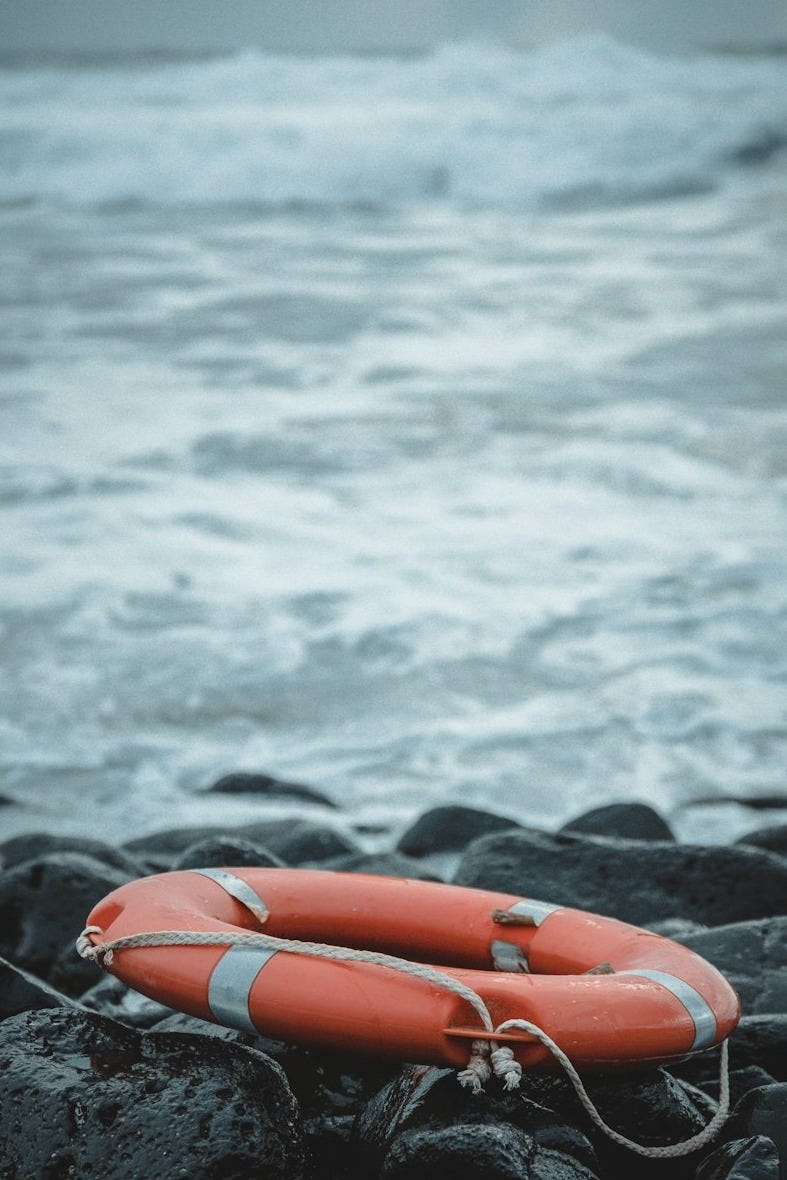
Sometimes this role wasn’t chosen. It was assigned.
Maybe you were parentified as a child, caring for siblings or emotionally immature parents. You learned early that love meant responsibility. That stability meant self-sacrifice. This is when you learned that your needs and wants didn’t matter, that they were an inconvenience to others.
Maybe you first felt deeply alive when you fell in love with someone broken, someone who needed saving. Their need activated your sense of purpose.
In families impacted by addiction, there is often a magnetic pull between the addict and the rescuer. Each role stabilizes the other. The addict spirals. The rescuer rises.
Even outside of addiction, you might see a woman repeatedly return to someone who hurts her.
Why?
Because somewhere inside, the story sounds like this:
They need me.
I’m the only one who understands them.
Who would help them if I left?
Leaving would mean abandoning not just the partner, but the identity built around being indispensable.
The Cost of Being the Rescuer
Rescuing feels powerful at first.
But over time, it is exhausting.
When you live in constant vigilance, anticipating problems, managing emotions, stabilizing others, your body never fully rests.
You start running on fumes.
Chronic stress.
Neglected self-care.
Survival mode.
Your nervous system does not know safety. It only knows responsibility.
There is also a silent benefit to staying in emotionally charged relationships. You get a break from having to really feel your own pain. Sitting with your own pain can feel worse than being knee-deep in someone else’s.
I know this personally.
I used the rescuer role to fill a void created by poor self-worth and as a way to avoid my own emotions. I would throw myself into the middle of family crises. Most of the time, it appeared to come from goodwill.
But the determining factor that I was operating from an unhealthy place was this: I was filled with resentment. I felt unappreciated. Burned out.
That meant I was in it for something in return.
If I gave more while sacrificing my own self-care, I wanted something significant back. Praise. Equal dedication. Appreciation.
If I did not get “paid” for my heroic service, I became angry.
That is how you tell the difference between rescuing and being helpful.
The Hard Question
If you are not the rescuer, who are you?
Who are you without someone to fix?
Without a crisis to manage?
Without someone depending on you to hold everything together?
Redefining yourself beyond rescuing can feel destabilizing. It can bring up guilt, emptiness, even fear.
Rescuing gave you a break from yourself. It gave you permission not to feel your own feelings.
Releasing this role requires building a new identity.
It does not mean becoming cold or uncaring.
It means learning that your worth is not measured by what you do or the role you play.
It means allowing others to experience the consequences of their choices.
And it means learning to process your own emotions, not theirs.
I come out with a new perspective. I've never thought about an addiction to being needed, but it makes sense. And that is a powerful question: If you are not the rescuer, who are you?
I guess it's important for people who feel this way to be able to reframe stepping back is not abandonment.
I feel like you wrote this for me. This is something I’ve really been struggling (as the rescuer) lately. Great post!